


by Will Williamson on 17 Aug 2026, 10:00:01

Manufacturing buyers don't buy the way they used to.
Before contacting a supplier, they research online, compare competitors, read technical content, watch videos, and increasingly use AI tools such as ChatGPT to answer questions and shortlist potential suppliers. By the time they speak to your sales team, they've often already formed an opinion about which businesses they trust.
That creates a significant opportunity for manufacturers with the right marketing strategy.
Rather than relying solely on referrals, trade exhibitions, or outbound sales, inbound marketing helps you attract prospective customers while they're actively researching solutions. It enables you to demonstrate your expertise, build trust, and generate qualified enquiries long before a prospect is ready to request a quotation.
The most successful manufacturers don't achieve this through a single marketing tactic. They build an integrated marketing system where their website, SEO, content, LinkedIn, paid advertising, lead generation, CRM, and sales process all work together to attract, nurture, and convert new customers.
In this article, we'll explain how inbound marketing works for manufacturers, why it's become such an effective approach for generating new business, and how you can build a marketing system that delivers sustainable long-term growth.

How Do Manufacturing Buyers Research Suppliers Today?
The way manufacturers win new business has changed dramatically over the last decade. Whilst referrals, repeat business, and trade shows are still important, they are rarely the only places your next customer looks.
Today's buyers begin their research online. Whether they're an engineer looking for a technical solution, a procurement manager comparing suppliers, or a managing director planning a major investment, they'll usually spend time researching before they ever speak to a salesperson.
They'll search Google and AI tools such as ChatGPT, compare suppliers' websites, read case studies, download technical information, and look for evidence that a supplier has solved similar problems before. By the time they make an enquiry, they've often created a shortlist and already have a strong opinion about which companies appear to be the most credible.
That means your website is no longer just an online brochure. It's often your first opportunity to demonstrate your expertise, answer questions, and convince a prospective customer that you're worth speaking to.
If your competitors provide better information, stronger proof, and a more helpful online experience, they'll often make the shortlist before your sales team even knows an opportunity exists.
What Is Inbound Marketing?
Inbound marketing is designed around the way modern buyers actually buy.
Rather than interrupting potential customers with cold calls or relying solely on exhibitions, inbound marketing helps your business get found when prospects are actively looking for solutions.
You achieve this by creating useful, educational content that answers the questions your ideal customers are already asking. As buyers continue their research, you provide the information, reassurance, and proof they need to move confidently towards making an enquiry.
Instead of chasing every prospect, you're building a marketing system that attracts qualified enquiries from businesses already looking for the products or services you provide.
For manufacturers, inbound marketing isn't simply about increasing website traffic. It's about attracting the right enquiries, shortening the sales process, building trust before the first conversation, and creating a predictable pipeline of future opportunities.
What Does An Inbound Marketing Strategy Include?
Successful inbound marketing isn't one tactic. It brings together multiple marketing activities that work together to attract visitors, generate enquiries, and support your sales process.
A typical inbound marketing strategy includes:
- A modern, high-performing website that clearly explains your products, capabilities, and expertise.
- Search Engine Optimisation (SEO) so your business can be found through Google and AI search.
- Helpful content such as buying guides, technical articles, videos, FAQs, and case studies that answer your customers' questions.
- LinkedIn, email marketing, and other channels that keep your business visible throughout long buying cycles.
- Lead generation tools, such as downloadable guides, contact forms, and calls to action that encourage visitors to make an enquiry.
- CRM and marketing automation software, such as HubSpot, that helps you nurture enquiries until they're ready to buy.
- Reporting and analytics that allow you to measure enquiries, pipeline growth, and return on investment, then continually improve your results.
The most successful manufacturers don't treat these as separate marketing activities. They combine them into a single strategy that guides prospective customers through every stage of the buying journey, from their first online search to becoming a long-term customer.
Why Is Inbound Marketing Becoming So Important For Manufacturers?
Traditional marketing still has an important role to play in manufacturing. Trade exhibitions, industry publications, networking, referrals, and outbound sales all continue to generate opportunities for many businesses.
The challenge is that most of these activities only work whilst you're actively investing time and money into them. An exhibition lasts a few days before it's over. A magazine advert disappears when the next edition is published. Cold calling generates opportunities while your sales team is making calls, but the activity stops as soon as the calling stops.
Inbound marketing works differently.
Every article you publish, every case study you write, every product page you optimise, and every video you create becomes a long-term business asset. Rather than disappearing after a campaign ends, your content continues attracting potential customers months and even years later.
Perhaps more importantly, inbound marketing supports every other marketing activity you're already investing in. Prospects you meet at exhibitions will almost certainly visit your website before contacting you. Buyers who receive a cold call will often research your business online afterwards. Someone who sees your advert in a trade magazine is likely to Google your company before deciding whether to get in touch.
A strong inbound marketing strategy ensures that whenever a potential customer researches your business, they find a professional website, useful technical information, relevant case studies, and clear evidence that you're the right supplier.
Compared with traditional marketing alone, inbound marketing offers several important advantages:
- It keeps working long after the initial investment. Quality content can continue generating enquiries for years.
- It attracts buyers who are already looking for solutions. Instead of interrupting prospects, you're helping people who have an existing need.
- It builds credibility before your sales team becomes involved. Buyers arrive better informed and with greater confidence in your expertise.
- It supports long manufacturing buying cycles. Email marketing, valuable content, and marketing automation help you stay visible whilst prospects research and compare suppliers.
- It complements your existing marketing. Trade shows, referrals, and outbound sales become more effective when backed by a strong online presence.
- It provides measurable results. You can track enquiries, website visits, content performance, and return on investment, allowing you to continually improve your marketing.
For most manufacturers, the goal is to build an inbound marketing system that works alongside your existing activities, creating a more consistent flow of enquiries, and reducing your reliance on any single source of new business.
Why Do Manufacturers Need More Than One Marketing Channel?
One of the biggest mistakes manufacturers make is relying too heavily on a single source of new business. That might be referrals, trade exhibitions, cold outreach, Google Ads, or Search Engine Optimisation (SEO). Whilst each of these can generate enquiries, none is likely to provide consistent, long-term growth on its own.
The most successful manufacturers build a marketing system where multiple channels work together.
For example, a potential customer might first discover your business through Google, read one of your technical articles, download a buying guide, follow your company on LinkedIn, receive a series of helpful emails, and only then decide to contact your sales team. Another prospect might meet you at an exhibition before researching your website and case studies online. Every buyer follows a slightly different journey.
That's why successful inbound marketing isn't about finding one tactic that delivers all your enquiries. It's about creating a joined-up marketing strategy that helps buyers at every stage of their decision-making process.
A complete inbound marketing system typically includes:
- Search Engine Optimisation (SEO) to help potential customers find your business.
- Valuable content that answers technical questions and demonstrates your expertise.
- A website that builds trust and encourages visitors to enquire.
- Email marketing and marketing automation to stay in touch during long buying cycles.
- LinkedIn and other channels that keep your business visible.
- Paid advertising where it can accelerate results.
- CRM software that helps your sales team manage and nurture enquiries.
Each element has a different role, but they are most effective when they work together. A prospect who finds your website through Google may later respond to an email campaign. Someone who meets you at a trade show may compare your case studies online before requesting a quotation. Marketing channels should support one another, not compete with each other.
At JDR, this is exactly how we approach marketing. Rather than focusing on individual tactics in isolation, we build an integrated marketing system that attracts visitors, generates qualified leads, supports your sales process, and helps you grow your business over the long term.
Search Engine Optimisation (SEO) And AI Optimisation
Search Engine Optimisation (SEO) helps your business appear when potential customers search for the products, services, or technical expertise you provide. For manufacturers, that could include searches for specific components, production processes, industry applications, or solutions to technical problems.
However, SEO is evolving. Alongside traditional search engines like Google, buyers are increasingly using AI-powered search tools such as ChatGPT, Google's AI Overviews, and other large language models to research suppliers and answer technical questions.
This means your website needs to be optimised not only for search engines but also for AI. The businesses that publish clear, authoritative, and genuinely useful content are increasingly the ones recommended by both Google and AI search tools.
A successful SEO and AI optimisation strategy includes:
- Researching the questions and search terms your customers actually use.
- Creating high-quality content that answers those questions clearly.
- Optimising your website's technical performance, speed, and mobile experience.
- Structuring pages so both search engines and AI tools can understand your expertise.
- Regularly reviewing performance and updating content to keep it accurate and relevant.
SEO is rarely about chasing rankings for a handful of keywords. The real objective is to become the trusted online resource that buyers discover throughout their research, generating a steady flow of qualified enquiries over time.
Content Marketing For Manufacturers
Content sits at the heart of every successful inbound marketing strategy.
Before contacting a supplier, manufacturing buyers often want answers to detailed questions. They want to understand your capabilities, compare different solutions, evaluate potential risks, and gain confidence that you have solved similar problems before.
Every piece of content you publish helps answer those questions whilst demonstrating your expertise.
Effective manufacturing content can include:
- Technical articles that explain complex topics.
- Buying guides that help prospects make informed decisions.
- Product comparison pages.
- Industry insight and commentary.
- Case studies showing successful projects.
- Videos demonstrating products, processes, or your manufacturing facilities.
- Frequently asked questions.
- Cost guides and specification information.
Unlike traditional advertising, content continues working long after it's published. A well-written article or detailed case study can generate website traffic and enquiries for years, making content one of the most valuable long-term marketing investments a manufacturer can make.
The goal isn't simply to publish more content. It's to create the best, most helpful resource available for the questions your ideal customers are already asking.
How Can Video Help You Win More Manufacturing Business?
Manufacturing businesses have a significant advantage over many other industries. You have products to demonstrate, processes to showcase, and real expertise that customers want to see. Video and LinkedIn give you powerful ways to bring that expertise to life.
Video is particularly effective because it allows prospective customers to see your business in action. Rather than simply describing your capabilities, you can show your manufacturing processes, quality standards, technical knowledge, and the people behind your business. This helps build confidence long before a prospect requests a quotation.
Effective manufacturing videos include:
- Product demonstrations and technical explanations.
- Factory tours and behind-the-scenes footage.
- Customer case studies and success stories.
- Meet-the-team videos featuring engineers or technical specialists.
- Educational videos answering common customer questions.
- Highlights from exhibitions, webinars and industry events.
These videos don't just improve your website. They can be shared across LinkedIn, included in email campaigns, embedded within blog articles, and used as part of your sales process, allowing you to get far more value from every piece of content you create.
LinkedIn And LinkedIn Advertising
For many manufacturers, LinkedIn has become one of the most effective channels for reaching decision-makers.
Engineers, procurement professionals, operations directors, and managing directors all use LinkedIn to follow industry developments, learn from experts, and research potential suppliers. A consistent presence helps keep your business visible throughout what are often long and complex buying journeys.
Organic LinkedIn activity allows you to share:
- Technical expertise.
- Industry news and insights.
- Customer success stories.
- New products and innovations.
- Behind-the-scenes content from your business.
- Educational videos and articles.
LinkedIn Ads provide another opportunity to reach highly targeted audiences. Campaigns can be aimed at specific industries, job titles, company sizes, or locations, making them particularly valuable for manufacturers selling specialist products or services to niche markets.
When combined with valuable content and well-designed landing pages, LinkedIn can become a powerful lead generation channel rather than simply another social media platform.
Pay Per Click (PPC) Advertising
Whilst SEO delivers long-term results, Pay Per Click (PPC) advertising can generate enquiries much more quickly.
Google Ads allows you to appear at the top of search results when potential customers are actively searching for the products or services you provide. This makes PPC particularly effective for manufacturers targeting high-value commercial enquiries where winning just a handful of new customers can deliver a significant return on investment.
PPC is most effective when it's used strategically alongside your wider inbound marketing programme.
For example, you can:
- Promote high-value products or services.
- Target buyers searching for specific manufacturing capabilities.
- Generate enquiries whilst your SEO strategy builds momentum.
- Promote downloadable guides or technical resources.
- Retarget previous website visitors who haven't yet made an enquiry.
Like every other marketing channel, PPC works best when supported by excellent content and a website designed to convert visitors into qualified leads. Driving traffic to a poor website rarely delivers good results. Driving targeted visitors to valuable content and strong landing pages is much more likely to generate enquiries.
Why Is Your Website The Foundation Of Inbound Marketing?
Every element of your inbound marketing strategy ultimately leads prospective customers back to your website.
Whether someone discovers your business through Google, LinkedIn, a webinar, a trade exhibition, or a recommendation, they'll almost always visit your website before deciding whether to contact you. In many cases, it's your first opportunity to make a positive impression and demonstrate why your business is the right choice.
Unfortunately, many manufacturing websites are still designed as online brochures rather than lead generation tools. They describe products and services but do little to answer buyers' questions, build trust, or encourage visitors to take the next step.
An effective manufacturing website should do much more than look professional. It should actively support your sales process by helping visitors understand your expertise, demonstrating your capabilities and making it easy to enquire.
Some of the most important elements include:
- Clear explanations of your products, services, and manufacturing capabilities.
- Industry-specific pages that address the needs of different sectors and applications.
- Technical content, buying guides, and FAQs that answer common customer questions.
- Case studies that demonstrate successful projects and measurable results.
- Trust signals such as accreditations, certifications, customer testimonials, and awards.
- Strong calls to action that encourage visitors to request a quotation, book a consultation, or download a useful resource.
Just as importantly, your website should be built with future marketing in mind. As you publish more content, improve your SEO, run paid advertising, or promote webinars and events, your website should support those activities rather than limit them.
At JDR, we always see your website as the foundation of your entire marketing system. Driving more visitors to a website that doesn't generate enquiries rarely produces the results you're looking for. By building a website that attracts, educates, and converts prospective customers, every other marketing activity becomes significantly more effective.
Generating More High-Quality Manufacturing Leads
The ultimate goal of inbound marketing isn't simply to attract more website visitors. It's to generate more enquiries from the right businesses and convert those enquiries into customers.
Every visitor who leaves your website without taking the next step represents a missed opportunity. That's why successful manufacturers focus not only on driving traffic, but also on converting more of that traffic into qualified leads.
This is known as Conversion Rate Optimisation (CRO). Rather than constantly spending more money attracting additional visitors, CRO improves the percentage of people who become enquiries by making it easier for them to take action.
Simple improvements can often make a significant difference, including:
- Clear calls to action throughout your website.
- Landing pages designed around a single objective.
- Short, easy-to-complete enquiry forms.
- Strong case studies, testimonials, and accreditations that build trust.
- Downloadable resources that encourage visitors to exchange their contact details.
- Fast-loading pages and a seamless mobile experience.
Even small improvements in conversion rates can have a substantial impact on the number of enquiries your website generates, helping you achieve more from your existing marketing investment.
Use Valuable Resources To Capture Leads
Most manufacturing buyers aren't ready to request a quotation the first time they visit your website. They're still researching suppliers, comparing options, and gathering information.
Offering valuable resources gives prospects a reason to engage with your business earlier in their buying journey.
Popular lead generation assets include:
- Technical guides and white papers.
- Product selection or specification guides.
- Cost guides and budgeting resources.
- Design or compliance checklists.
- Industry reports and research.
- CAD files, calculators, or technical tools where appropriate.
By asking visitors to complete a simple form before downloading these resources, you can begin building relationships with potential customers long before they're ready to buy.
Build Trust Through Webinars And Events
Educational webinars have become an increasingly effective way for manufacturers to demonstrate expertise whilst generating qualified leads.
Whether you're explaining new regulations, showcasing innovative manufacturing techniques, demonstrating products, or sharing industry insights, webinars allow prospective customers to see your knowledge first-hand and engage directly with your team.
The same principle applies to seminars, breakfast events, factory open days, and technical workshops. Rather than focusing on a sales presentation, successful events educate your audience and position your business as a trusted adviser.
When supported by email marketing and follow-up campaigns, webinars and events often generate highly qualified leads because attendees have already invested time in learning from your business.
Create A Lead Generation System, Not Individual Campaigns
The most successful manufacturers don't rely on a single downloadable guide or occasional webinar to generate enquiries. They build a repeatable system where valuable content, landing pages, events, email marketing, and their website all work together.
Someone might discover your business through Google, download a technical guide, attend a webinar, receive a series of helpful emails, and only request a quotation several months later.
By creating multiple opportunities for prospects to engage with your business, you build a predictable pipeline of qualified leads instead of relying on prospects being ready to enquire immediately.
Turn More Enquiries Into Customers With CRM, Email Marketing, And Automation
Generating enquiries is only half the challenge. The real return on your marketing investment comes from converting those enquiries into customers.
For many manufacturers, sales cycles can last weeks or even months. Prospects often need to consult colleagues, compare suppliers, secure budgets, or complete technical evaluations before making a purchasing decision. If you only contact a lead once before moving on to the next enquiry, you'll miss opportunities that could have become valuable long-term customers.
That's why an effective inbound marketing strategy includes a clear process for following up, nurturing and managing every lead.
A Customer Relationship Management (CRM) system, such as HubSpot, brings your marketing and sales activities together in one place. Every enquiry is recorded, every interaction is tracked, and your sales team has complete visibility of where each prospect is in the buying process.
Combined with email marketing and automation, your CRM allows you to stay in regular contact with prospects without relying on manual follow-up for every interaction.
For example, you can:
- Send a series of helpful emails after someone downloads a buying guide or attends a webinar.
- Share relevant case studies based on the products or services a prospect is interested in.
- Notify your sales team when a prospect revisits key pages on your website or shows stronger buying intent.
- Automatically assign enquiries to the right salesperson and schedule follow-up tasks.
- Score leads based on their activity, helping your team prioritise the enquiries most likely to convert.
This approach ensures that prospects continue receiving valuable information throughout their buying journey, whilst your sales team focuses their time on the opportunities with the greatest potential.
Perhaps most importantly, a CRM gives you complete visibility of your sales pipeline. Rather than simply measuring website traffic or the number of enquiries generated, you can see exactly which marketing activities are producing opportunities, quotations, new customers, and revenue. That insight allows you to make better marketing decisions and continually improve your return on investment.
Marketing and sales should never operate as separate functions. When your website, content, email marketing, CRM, and sales process all work together, every enquiry has the best possible chance of becoming a customer. That's how inbound marketing delivers sustainable business growth, not just more leads.
Why Is HubSpot An Excellent Choice For Manufacturers?
As your inbound marketing grows, managing multiple spreadsheets, disconnected marketing tools, and manual sales processes quickly becomes difficult. That's where a platform like HubSpot can make a significant difference.
HubSpot combines your website, CRM, marketing, sales, and customer service tools into a single platform. Instead of trying to connect different systems together, your marketing and sales teams work from the same data, giving you a complete view of every prospect and customer.
For manufacturers, this creates several important advantages.
- Capture every enquiry in one place. Whether a lead comes from your website, Google Ads, LinkedIn, a webinar, or a trade exhibition, it can be recorded automatically within your CRM, ensuring no opportunities are overlooked.
- Manage long and complex sales cycles. Manufacturing purchases often involve multiple decision-makers and can take months to complete. HubSpot helps you track every conversation, quotation, and follow-up activity, giving your sales team complete visibility of every opportunity.
- Automate repetitive marketing tasks. Rather than manually sending follow-up emails or updating spreadsheets, you can create automated workflows that nurture prospects, assign leads to the right salesperson, and remind your team when action is needed.
- Deliver more personalised marketing. Because HubSpot records every interaction, you can tailor email campaigns, content recommendations, and follow-up communications based on a prospect's interests and behaviour.
- Measure your return on investment. Perhaps most importantly, HubSpot allows you to see how your marketing contributes to revenue. Instead of simply reporting website traffic or enquiries, you can identify which marketing activities generate opportunities, customers, and sales, helping you make better investment decisions.
HubSpot Works Best As Part Of A Complete Marketing Strategy
HubSpot is an exceptionally powerful platform, but software alone won't generate enquiries or increase sales.
The best results come from combining HubSpot with a well-planned inbound marketing strategy that includes a high-performing website, SEO and AI optimisation, valuable content, LinkedIn, PPC advertising, lead generation campaigns, and a structured sales process.
When all of these elements work together, HubSpot becomes the central hub for your marketing and sales activity. It helps you attract visitors, convert them into leads, nurture those leads, and measure exactly what's delivering results.
At JDR, we've helped hundreds of SMEs implement HubSpot as part of an integrated marketing system. Rather than simply installing the software, we help you build the processes, campaigns, and reporting that allow HubSpot to become a genuine growth platform for your business.
What Results Can Manufacturers Expect From Inbound Marketing?
The principles behind inbound marketing are well established, but every manufacturing business is different. Your products, target markets, sales cycle, and competitive landscape will all influence the results you achieve.
What remains consistent is that manufacturers who invest in a long-term, integrated marketing strategy typically generate more qualified enquiries, build a stronger online presence, and reduce their reliance on referrals or a handful of existing customers.
Over the last 20 years, we've helped manufacturers across a wide range of sectors implement inbound marketing strategies that deliver measurable business growth. Here are just a few examples:
- A specialist machine manufacturer increased enquiries from around 10 per month to more than 125 per month, building an £8 million sales pipeline through an integrated inbound marketing strategy. Read the case study here.
- An automotive racking manufacturer more than doubled website traffic and lead generation by combining a new website, SEO, content marketing, and ongoing digital campaigns. Read the case study here.
- A four-person engineering company grew from just two enquiries each month to more than 70 enquiries per month, demonstrating that inbound marketing isn't just for large manufacturers with substantial marketing budgets. Read the case study here.
- A construction equipment manufacturer tripled website traffic and achieved a sixfold increase in enquiries by developing a comprehensive digital marketing strategy. Read the case study here.
- A specialist welding company moved beyond SEO alone to implement a complete inbound marketing system, creating a more consistent flow of qualified opportunities. Read the case study here.
- A precision engineering business transformed its online presence into one of the strongest in its sector, helping it compete more effectively against much larger competitors. Read the case study here.
Although every business starts from a different position, these examples all have something in common. The results didn't come from a single marketing tactic. They came from combining a high-performing website, valuable content, SEO, paid advertising, lead generation, CRM, and sales processes into one joined-up strategy.
That's exactly how we work at JDR. Rather than focusing on isolated marketing activities, we help manufacturers build a complete marketing system that continues generating enquiries and supporting business growth year after year.
If you'd like to see what's possible for a business like yours, explore our manufacturing case studies to see the strategies we implemented and the results our clients achieved.
How Do You Measure The Success Of Inbound Marketing?
One of the biggest advantages of digital marketing is that almost everything can be measured.
Unlike traditional marketing, where it can be difficult to know which exhibition, magazine advert, or networking event generated a particular customer, inbound marketing allows you to track the entire buying journey, from a visitor's first interaction with your website through to a completed sale.
This means you can stop making marketing decisions based on guesswork and start investing in the activities that genuinely generate new business.
The metrics that matter most aren't website traffic or social media followers. Whilst these can indicate that your marketing is gaining visibility, they don't necessarily translate into commercial success.
Instead, focus on measures that demonstrate real business growth, including:
- The number of qualified enquiries your marketing generates.
- Conversion rates from visitor to lead, and from lead to customer.
- The value of opportunities entering your sales pipeline.
- Customer acquisition cost.
- Revenue generated from marketing.
- Return on your marketing investment (ROI).
When your website, CRM, and marketing platform work together, you can see exactly which marketing activities are producing enquiries, quotations, and new customers. This allows you to invest more confidently in the channels delivering the strongest results.
Marketing should never stand still. By regularly reviewing performance, testing new ideas, and refining your campaigns, you can continually improve results over time.
At JDR, reporting is a core part of our marketing programmes. We don't simply tell you how many people visited your website or downloaded a guide. We help you understand how your marketing is contributing to sales, pipeline growth, and revenue, giving you the information you need to make informed business decisions.
Build A Marketing System That Delivers Long-Term Growth
Manufacturing buyers have changed the way they research suppliers. They expect to find useful information online, compare different companies, and build confidence in a supplier before making contact.
That's why inbound marketing has become such an effective strategy for manufacturers. By combining a high-performing website, SEO and AI optimisation, valuable content, LinkedIn, paid advertising, lead generation, CRM, and marketing automation, you create a marketing system that consistently attracts, nurtures, and converts new customers.
The key is that these activities don't work in isolation. Each one supports the others. Content improves your SEO. LinkedIn amplifies your content. Your website converts visitors into enquiries. Your CRM and email marketing nurture those enquiries until they're ready to buy. Together, they create a predictable and scalable approach to winning new business.
At JDR, we've spent more than 20 years helping manufacturers build integrated marketing systems that generate measurable business growth. We've worked with engineering companies, precision manufacturers, industrial suppliers, and specialist manufacturers across the UK, helping them increase enquiries, strengthen their online presence, and generate millions of pounds of new sales opportunities.
If you're looking to generate more qualified enquiries, shorten your sales cycle, and build a more predictable pipeline of new business, we'd love to help. Get in touch to discuss your goals, or explore our manufacturing case studies to see how we've helped businesses like yours achieve long-term growth.
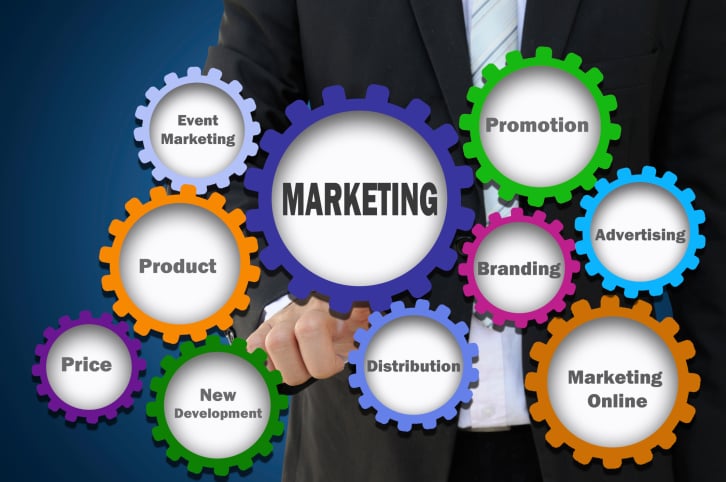
Inbound Marketing Can Help Traditional Outbound Marketing Techniques To Increase Lead Generation
Many marketers see inbound marketing vs. outbound marketing as a cut and dry choice they need to make for their business. Belief is that you have to c …
How To Increase B2B Lead Generation With Marketing Automation
According to Hubspot, a leading marketing automation software company, marketing automation is: “At its best, marketing automation is software and tac …
Content Marketing VS Inbound Marketing: What's The Difference?
If you work in marketing I’m sure you will have heard the term Content Marketing VS Inbound Marketing. There is a lot of misunderstanding as to what t …