


by Kerry Baker on 4 Dec 2025, 09:30:00

Social media changes faster than almost any other part of your marketing, and if you want your business to grow in 2026, you need to be ahead of the curve. The way people use social media to search, shop, and engage with businesses is evolving rapidly. If you stand still, you’ll be left behind by competitors who act first.

At JDR Group, we know that social media success is about using the right channels in the right way to generate leads, build trust, and win new customers. That’s why it’s important to understand the trends that will shape the next 12 months, and more importantly, how to apply them to your business.
From the dominance of short-form video and the rise of AI-driven content to growing demand for authenticity, communities, and social commerce, 2026 brings both opportunities and challenges.
The good news is that with the right strategy, you can stay visible, relevant, and ahead of your competition.
Why Business Owners Should Pay Attention To Social Media Trends
Keeping up with social media trends is not just smart, it’s essential if you want to grow. The businesses that stay informed are the ones that win new customers and stay ahead of their competitors. Those who don’t risk becoming invisible, outdated, and irrelevant.
By understanding what’s changing, you can adapt quickly, make better decisions about where to invest your time and budget, and ensure your marketing continues to generate results. Ignoring these shifts leaves you at the mercy of outdated tactics that no longer work.
When you watch the trends, you:
- Adapt faster, pivoting your approach to stay relevant.
- Optimise your resources, focusing on the channels and content types that are actually gaining traction.
- Engage your audience with content that matches their current interests and expectations.
- Innovate by testing new tools and features before your competitors do.
Being proactive gives you a first-mover advantage. It also helps you avoid costly mistakes, like sending out the wrong message at the wrong time, or wasting money on platforms your customers no longer use.
Most importantly, social media trends often highlight new buyer behaviours and unmet needs. When you pay attention, you can tailor your products, services, and content to match what customers are actually looking for - which leads to stronger connections, more enquiries, and sustained growth.
At JDR, we see this every day. The businesses that lean into change and align their marketing strategy with the way people actually buy online are the ones that see the best results.
9 Key Social Media Trends for 2026
Social media is changing faster than ever, and the way your prospects search, shop, and engage online is evolving with it. To stay competitive, you need to know which shifts will really matter for your business and which ones you can safely ignore.
The truth is, not every new feature or platform is worth your time. But there are certain trends that will shape how people interact with businesses in 2026 - and these are the ones you need to be ready for.
From AI-powered content and short-form video to the rise of social commerce and private communities, these developments aren’t just “nice to know” - they’re opportunities to win more leads, build stronger relationships, and grow sales if you act early.
Let’s break down the ten trends that should be on your radar for the year ahead, and more importantly, how you can use them to drive real business results.
1. Hybrid Content: Combining Human & AI
AI tools are now embedded in almost every aspect of social media, from creating posts and scheduling updates to generating video captions and analysing performance. But while AI brings speed and efficiency, it can never replace the human insight, creativity, and authenticity that buyers value.
The future lies in hybrid content - combining the efficiency of AI with the expertise and personality of your team. For SMEs, this is the most cost-effective way to stay consistent and competitive, without sacrificing quality or credibility.
The benefits of a hybrid approach include:
- Efficiency - AI speeds up content creation and repurposing.
- Authenticity - human input ensures your content sounds real, relevant, and trustworthy.
- Scalability - you can produce more content without overstretching your resources.
By 2026, customers will expect the best of both worlds - the convenience of AI-driven content tailored to their needs, and the human touch that shows real understanding of their challenges. SMEs that master this balance will be able to create more content, at lower cost, while still building the trust and authority needed to convert followers into customers.
2. Short-Form & Vertical Video
Video remains the most powerful type of content on social media, and short-form vertical video is leading the way. TikTok, Instagram Reels, YouTube Shorts, and even LinkedIn posts are dominated by quick, mobile-first video clips. If you’re not creating them, you risk being invisible to your audience.
These videos work because they’re short, engaging, and easy to share. They capture attention quickly - which is vital when buyers are scrolling at speed - and they help your message stick.
The hallmarks of successful video content are:
- Vertical format, designed for mobile.
- Bite-sized length - usually 15 to 60 seconds.
- Clear storytelling, delivering one message with impact.
For SMEs, this doesn’t mean investing in a film crew. Even simple, authentic videos shot on a smartphone can perform brilliantly if they tell the right story. What matters is consistency and relevance.
By 2026, short-form video won’t be optional. It will be the standard way people consume and share information online. The businesses that embrace it now will have the edge - reaching more people, building trust faster, and converting more leads.
3. Algorithm Shifts Towards Paid Reach
Organic reach on social media has been declining for years, and in 2026 this trend will accelerate. Platforms are increasingly pay-to-play environments, prioritising paid content over organic posts. This means that relying on “free exposure” through organic reach is no longer a viable strategy.
For SMEs, this doesn’t mean abandoning organic content. It means recognising that paid promotion is now a core part of social media success. Even modest budgets, when targeted effectively, can dramatically expand your reach and bring in new leads.
The implications are:
- Plan for a balance - use organic posts to nurture and build trust, and paid campaigns to reach new audiences.
- Be precise with targeting - social platforms offer detailed audience filters that let you get in front of the right people, without wasting budget.
- Track ROI carefully - ensure every pound spent is tied back to leads and sales, not just impressions.
By 2026, businesses that invest strategically in paid social will have a clear advantage. Those that cling to organic-only approaches will find their visibility shrinking, and their competitors dominating the conversation.
4. Social Search
More and more people are using social media platforms like TikTok, Instagram, and even LinkedIn as search engines. Instead of going to Google, they’re typing questions, products, and services directly into social platforms - and they expect relevant, credible results.
For you, this means your prospects may never even reach Google if they can find what they’re looking for in-app. If your business isn’t visible on social search, you’re handing those opportunities to competitors who are.
The advantages of embracing social search are:
- Be discovered at the right moment, when someone is actively looking for answers.
- Stand out visually, using video, images, and rich media that grab attention in search results.
- Build credibility, with likes, comments, and recommendations serving as social proof.
To take advantage, you need to treat your social profiles like you would your website - optimised, consistent, and regularly updated. That means:
- Clear, keyword-rich descriptions of what you do.
- Hashtags and captions aligned with what your prospects are searching for.
- Consistent posting that positions you as active, relevant, and trustworthy.
By 2026, social search will be a major part of how buyers discover businesses. If you adapt now, you’ll not only increase visibility but also attract higher-quality leads who are already in “search mode” - and far closer to becoming customers.
5. Social Media as a Customer Service Channel
More and more customers expect to be able to reach businesses directly through social media. Whether it’s a question in the comments, a complaint via direct message, or a request for support on LinkedIn or Facebook, your prospects and customers want quick, professional responses.
For SMEs, this shift represents both a challenge and an opportunity. The challenge is that customer service is no longer limited to phone lines and email - social media is now part of the mix, and it’s very public. But the opportunity is that by handling queries quickly and helpfully online, you can turn customer service into a sales and marketing advantage.
The benefits are clear:
- Build trust and loyalty by showing responsiveness where your customers are active.
- Protect your reputation by addressing issues before they escalate.
- Win new customers by demonstrating professionalism in a public forum.
By 2026, social platforms will continue to build tools that support customer service - from automated responses to integrated helpdesk features. SMEs that embrace this will not only improve customer satisfaction but also stand out from competitors who are still slow to respond.
6. Social Commerce & Shoppable Posts
Social media is no longer just for building awareness - it’s becoming a direct sales channel. With shoppable posts and in-app purchasing now built into platforms like Instagram, TikTok, and even LinkedIn, buyers can go from discovery to checkout without ever leaving the app.
For customers, this means convenience. For you, it means a faster, simpler path from engagement to revenue. Whether it’s a physical product or a service enquiry, social commerce reduces friction and makes it easier for prospects to take action straight away.
The biggest opportunities lie in:
- Interactive shopping - using features like AR try-ons or product demos.
- Convenience - removing unnecessary steps in the buying journey.
- Trust - leveraging user-generated content, reviews, and recommendations that influence purchase decisions.
By 2026, social commerce will be a major driver of online sales. SMEs that embrace it will not only open up new revenue streams, but also meet customer expectations for speed and ease. The key is to make sure your product content is engaging, authentic, and fully integrated into your wider marketing strategy - so that every click has the potential to turn into a sale.
7. Authenticity & Employee-Driven Content
In 2026, audiences want real connections, not polished corporate messages. People trust people - which is why content that features your employees, their stories, and their expertise often outperforms traditional marketing.
For an SME, this is a huge advantage. You don’t need the budget of a global brand to stand out. Showcasing your team - their knowledge, their values, and their day-to-day experiences - builds credibility and makes your business more relatable.
With genuine, authentic content you build:
- Trust - prospects are far more likely to believe real stories from your team than slick adverts.
- Relatability - personal experiences resonate with your audience and make your brand feel human.
- Authority - when your experts share insights, it reinforces your reputation as a trusted partner.
To make this work, encourage your staff to share content and insights on LinkedIn or other relevant platforms. Support them with ideas, templates, and guidance so it feels easy, not forced. Over time, this creates a powerful ripple effect - extending your reach, strengthening your brand, and helping prospects see why they should choose you.
In a crowded digital space, authenticity cuts through the noise. By putting your people front and centre, you give prospects the reassurance they need to take the next step with you.
8. Growth of Groups & Community-Based Social Media
As social media becomes more crowded, many users are moving away from public feeds and towards private, community-driven spaces. Whether it’s LinkedIn groups, WhatsApp Communities, or niche industry platforms, people are seeking smaller, more trusted environments where they can share, learn, and engage.
For you as a business owner, this shift creates new opportunities. Being active in the right communities allows you to:
- Build authority by sharing expertise in focused discussions.
- Earn trust in spaces where members expect transparency and value.
- Engage more deeply with prospects and customers who are already interested in your industry.
The key is to approach these communities with the right mindset. They’re not places to push sales messages - they’re about fostering genuine relationships. Share useful insights, answer questions, and support the group’s goals. Over time, this will position your business as a respected and reliable voice, making it easier for people to choose you when they’re ready to buy.
By 2026, community-driven platforms will be a vital part of social media. If you start building your presence now, you’ll be ahead of the competition and have stronger, more loyal customer relationships.
9. The Rise of Micro-Influencers
Influencer marketing has been around for years, but it’s evolving. In 2026, the spotlight is shifting from celebrity endorsements and big-name social media stars to micro-influencers.
Micro-influencers are individuals with smaller, more focused followings - typically a few thousand to around 50,000 people - who are trusted within a specific niche. Unlike major influencers with huge but often less engaged audiences, micro-influencers build close relationships with their followers, which makes their recommendations feel more genuine.
For SMEs, this presents a big opportunity. Instead of paying premium fees for broad exposure that may not reach your target market, you can partner with people who already influence the very audience you want to attract. That might be a LinkedIn creator in your industry, a podcaster with a loyal professional following, or even a local business figure with strong community ties.
The advantages of working with micro-influencers include:
- Higher engagement rates - smaller audiences are more active, loyal, and responsive.
- Cost-effectiveness - collaborations are far more affordable than with celebrity influencers.
- Relevance - you can target very specific industries, sectors, or customer groups.
In 2026, micro-influencers will become an important growth channel for businesses that want credibility and cut-through without blowing their budget. By identifying the voices your prospects already listen to and trust, you can build authentic partnerships that expand your reach, strengthen your reputation, and generate better-quality leads.
How Do You Apply Social Media Trends in Your Business?
Knowing the trends is only the first step. The real difference comes when you apply them to your business in a way that drives leads, sales, and long-term growth. That means building these opportunities into your wider marketing strategy, rather than treating them as one-off experiments.
Start by reviewing your current social presence. Ask yourself:
- Are you visible where your prospects are searching?
- Is your content engaging enough to stop people scrolling?
- Do your posts link back to your website, CRM, and sales process?
From there, focus on actions that matter:
- Adopt smart technology - use AI tools to personalise and scale your content.
- Invest in engaging formats - prioritise short-form video, interactive content, and authentic storytelling.
- Integrate your systems - connect social media with your CRM so every enquiry is tracked and followed up.
- Show your values - use social to demonstrate your sustainability efforts and build trust.
- Simplify the buying journey - test social commerce features to make it easy for prospects to act.
The key is consistency. Post regularly, experiment, measure the results, and refine your approach. Social media changes fast, but with a joined-up strategy you can stay ahead, build stronger connections, and turn engagement into real business results.
At JDR, we help you do exactly that. Our six-step system is designed to take these trends and apply them across all your marketing channels - your website, content, email, CRM, and sales process - so that everything works together to generate measurable growth.
Take The Next Steps
Social media will continue to evolve in 2026, and the businesses that thrive will be those that act early. Simply knowing the trends isn’t enough - you need to apply them as part of a clear, joined-up strategy that turns attention into enquiries, and enquiries into customers.
At JDR Group, we help business owners like you cut through the noise, focus on what really works, and use social media as part of a proven system for growth. With the right approach, these trends can give you a real competitive advantage - helping you attract better leads, build stronger relationships, and grow your sales.
Now is the time to take action. Don’t wait until your competitors are already ahead.
Book a meeting with us today and we’ll review your current marketing, show you how to apply these trends, and give you a clear plan for growth.
Or, if you’d like to learn more first, download our free guide: How To Use Social Media For Business.
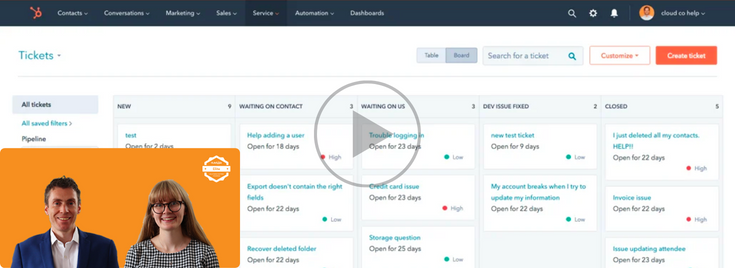
Replay: How To Get The Most Out Of HubSpot Tickets (Service Hub)
Join Will Williamson & Emma Ablewhite from The JDR Group as they share another HubSpot masterclass. In this session, you'll discover how to get th …
Top Tips For Estate Agents Using Social Media Marketing
Social media can be a valuable part of your marketing strategy. If you're thinking, "but we've tried Facebook before and it didn't work for us", you'r …
Replay: Get The Most Out Of HubSpot Sequences (Sales Hub)
Join Will Williamson & Emma Ablewhite from The JDR Group as they share another 30 minute HubSpot masterclass. In this session, you'll discover how …