


by Andrew Leamon on 18 Jun 2026, 10:00:01

Many SMEs struggle because their sales process relies too heavily on individual effort, memory, and inconsistent follow-up. Leads come in but are not managed properly. Marketing generates enquiries that sales teams fail to convert. Directors remain heavily involved in every important opportunity because there is no clear system behind the scenes.
This is exactly where sales enablement helps.
Sales enablement is about giving your team the structure, tools, processes, and support they need to generate more opportunities, manage leads effectively, and convert more business consistently.
For growing SMEs, this often includes:
- A clearly defined sales process
- CRM and pipeline management
- Better alignment between marketing and sales
- Automation and follow-up systems
- Reporting and forecasting
- Training and accountability
When these areas work together properly, your sales process becomes far more predictable and scalable.

Instead of relying on guesswork or individual habits, you create a joined-up commercial system that helps your business attract the right leads, nurture opportunities, and win more customers over time.
In this guide, we’ll explain what sales enablement means in practice, which tools and systems matter most for SMEs, and how to build a sales process that supports long-term business growth.
What Is Sales Enablement And Why Does It Matter?
Sales enablement is the process of giving your sales team everything they need to win more business consistently. That includes the right strategy, systems, content, training, technology, and data.
At its core, sales enablement is about creating a more effective sales process. Instead of relying on individual salespeople to “figure it out” themselves, you build a structured system that helps your team generate opportunities, manage leads properly, follow up consistently, and close more deals.
For many businesses, sales growth becomes difficult because too much knowledge sits in the heads of a few individuals. One salesperson follows up properly while another does not, marketing generates leads but sales ignore them, different people describe your services in different ways, and important opportunities get lost because there is no clear process behind the scenes.
Sales enablement solves these problems by bringing your marketing, sales activity, and customer journey together into one joined-up system.
An effective sales enablement strategy typically includes:
- A clearly defined sales process
- CRM and sales pipeline management
- Sales and marketing alignment
- Training and coaching
- Lead nurturing and follow-up automation
- Sales content and case studies
- Reporting, forecasting, and performance tracking
For growing businesses, this creates something extremely valuable: consistency.
Instead of sales performance depending entirely on individual effort, your business develops a repeatable commercial process that can scale over time.
Why Has Sales Enablement Become So Important In B2B Sales?
B2B buyers have changed dramatically over the last decade.
Before speaking to a supplier, most buyers now carry out significant research online. They compare competitors, read reviews, consume content, and often shortlist suppliers before making contact. In many industries, multiple stakeholders are involved in the buying decision, which means sales cycles are longer and more complex than they used to be.
That creates a challenge for SMEs.
If your sales process is inconsistent, slow, or disconnected from your marketing, opportunities quickly disappear. Leads go cold. Follow-up becomes reactive. Sales conversations can become focused on price instead of value.
Sales enablement helps you create a more structured buying experience for your prospects. Your sales team has access to the right information, your marketing supports the sales process properly, and your business can respond faster and more professionally to enquiries.
This matters because growth becomes harder to sustain when your commercial processes cannot keep up with the business itself.
For example, many companies reach a point where:
- Leads are coming in, but conversion rates remain inconsistent
- Directors are still heavily involved in every sale
- CRM systems are underused or poorly maintained
- Sales and marketing operate separately
- Follow-up relies on memory instead of systems
When implemented properly, sales enablement improves visibility, accountability, and consistency across your entire sales process. It helps you create a clearer customer journey, improve lead conversion rates, and build a stronger pipeline of opportunities over time.
Most importantly, it allows you to scale sales in a controlled and measurable way, rather than relying on guesswork, individual habits, or short-term bursts of activity.
What Are The Core Elements Of An Effective Sales Enablement Strategy?
A successful sales enablement strategy combines people, process, technology, and leadership into one joined-up commercial system.
Many businesses already have good salespeople, marketing activity, and strong products or services. The problem is that these areas often operate independently - for example, marketing generates leads that sales do not follow up properly, or sales conversations happen without any clear structure.
Sales enablement brings these moving parts together.
For most growing businesses, an effective sales enablement system includes six core areas.
1. A Clear Sales Process
Your sales team should follow a defined process from initial enquiry through to closing the deal and ongoing account management.
That includes:
- Lead qualification
- Discovery conversations
- Follow-up stages
- Proposal processes
- Pipeline management
- Customer onboarding
Without this structure, sales performance becomes inconsistent and difficult to scale.
2. Sales And Marketing Alignment
Marketing and sales should support the same commercial objectives.
Marketing should not simply generate website traffic or enquiries. It should help attract the right prospects, educate buyers, and support the sales process with useful content, case studies, and proof of expertise.
At the same time, sales teams should provide feedback on:
- Lead quality
- Common objections
- Questions prospects ask
- Which content actually helps move deals forward
When both teams work together, your messaging becomes clearer and your customer journey becomes more consistent.
3. CRM And Pipeline Visibility
A CRM system gives you visibility across your sales activity and customer relationships.
Instead of relying on memory or spreadsheets, your business can track:
- Leads and opportunities
- Sales activity
- Follow-up tasks
- Proposal stages
- Conversion rates
- Forecast revenue
For directors and business owners, this creates much better visibility into pipeline health and future sales performance.
Used properly, a CRM becomes the operational centre of your sales process rather than just a contact database.
4. Sales Content And Buyer Education
Modern B2B buyers carry out research long before speaking to suppliers.
Your sales team therefore needs access to useful, relevant content that supports the buying decision, including:
- Case studies
- Guides
- Demonstrations
- Comparison content
- ROI examples
- Frequently asked questions
This content helps prospects build confidence in your business before they commit to a conversation or purchase.
It also improves consistency across your sales process because your team communicates the same messages and value propositions clearly.
5. Automation And Follow-Up Systems
One of the biggest causes of lost sales opportunities is inconsistent follow-up.
As businesses grow, enquiries increase and sales teams become busier. Without systems in place, leads get forgotten, follow-up slows down, and opportunities disappear.
Automation helps you maintain consistency by supporting:
- Lead nurturing emails
- Task reminders
- Pipeline updates
- Meeting scheduling
- Reporting
- Prospect tracking
This does not remove the personal side of selling. It simply ensures important actions happen consistently.
6. Training, Coaching, And Accountability
Even experienced salespeople benefit from structure, coaching, and continuous improvement.
Sales environments change constantly. Buyer expectations evolve, competitors improve, and new technology changes how prospects research suppliers.
Training should therefore be ongoing, not treated as a one-off event.
For SMEs, sales training often focuses on:
- Running better discovery conversations
- Improving lead qualification
- Handling objections
- Presenting value more effectively
- Using CRM systems properly
- Following a consistent sales process
Coaching is equally important because it reinforces accountability and helps identify areas for improvement before problems affect performance.
The strongest sales enablement systems create a culture where sales performance is measured, reviewed, and improved continuously over time.
The Role Of Sales Enablement Software
Technology can significantly improve your sales process, but software alone will not solve underlying sales problems.
Many businesses invest in CRM systems, automation tools, or sales platforms expecting immediate results, only to discover that poor follow-up, inconsistent processes, and unclear responsibilities still exist underneath the technology.
Sales enablement software works best when it supports a clearly defined sales strategy.
For SMEs, the real value of sales technology comes from creating:
- Better visibility across the sales pipeline
- More consistent follow-up
- Improved reporting and forecasting
- Stronger alignment between marketing and sales
- Better customer experience throughout the buying journey
Without systems in place, businesses often rely too heavily on memory, spreadsheets, and individual habits. As the company grows, this becomes increasingly difficult to manage.
For example, directors often reach a point where:
- Leads are being generated but not tracked properly
- Salespeople manage opportunities differently
- Follow-up becomes inconsistent
- Pipeline forecasting is unreliable
- Important customer information sits in inboxes instead of shared systems
This is where the right technology can make a substantial difference.
A well-implemented CRM platform such as HubSpot helps centralise customer information, sales activity, reporting, and automation in one place. It gives your team a clearer process to follow and gives management much better visibility over commercial performance.
However, software should support your process, not define it.
The businesses that see the best results are usually the ones that:
- Define their sales process first
- Agree how leads should be managed
- Set clear responsibilities
- Train the team properly
- Then implement technology around those processes
Technology becomes far more effective when it reinforces good habits and accountability across the business.
Common Sales Enablement Tools
Most SMEs do not need dozens of separate sales platforms. You need a small number of well-integrated tools that improve visibility, consistency, and follow-up across your sales process.
The right systems help your team work more efficiently, respond faster to opportunities, and maintain a better experience for prospects throughout the buying journey.
CRM Software
A CRM system is the foundation of most modern sales enablement strategies.
It gives your team a shared view of leads, opportunities, customer communication, and pipeline activity. It also improves reporting and forecasting for management.
Popular CRM platforms include HubSpot, Salesforce, and Pipedrive.
Marketing Automation Tools
Marketing automation helps you stay in contact with prospects over longer sales cycles.
These tools can automate:
- Lead nurturing emails
- Follow-up reminders
- Meeting booking
- Website visitor tracking
For example, a prospect who downloads a guide from your website could automatically receive a follow-up email sequence over the following weeks.
Sales Intelligence And Data Enrichment Tools
Sales intelligence platforms help your team research and qualify prospects more effectively.
They provide additional information such as company size, decision-maker details, buying signals, and industry data.
Examples include ZoomInfo, Apollo.io and LinkedIn Sales Navigator.
These tools are particularly useful for outbound prospecting and account-based sales activity.
Prospecting And Outreach Tools
Prospecting tools help sales teams manage outbound activity more consistently.
This can include:
- Email sequencing
- LinkedIn outreach
- Call scheduling
- Sales cadences
- Follow-up automation
Tools such as Outreach and Salesloft help sales teams maintain regular communication without relying entirely on manual follow-up.
AI Conversational And Sales Assistance Tools
AI tools are increasingly being used to support sales productivity and coaching.
These systems can help with:
- Drafting emails
- Summarising meetings
- Suggesting follow-up actions
- Analysing sales conversations
- Running AI chatbots on websites
Examples include Gong and Microsoft Copilot.
For SMEs, these tools can save time and improve consistency, especially for growing teams.
Call Management And Sales Coaching Tools
For businesses handling large volumes of calls or sales conversations, call management systems can improve structure and training.
These tools often include:
- Call recording
- Live prompts
- Script management
- Conversation analysis
- Performance coaching
Platforms such as Aircall and RingCentral help teams manage conversations more professionally and consistently.
CPQ And Proposal Tools
CPQ (Configure, Price, Quote) software helps businesses generate accurate quotes and proposals more efficiently.
This is particularly valuable for companies selling multiple services, pricing models, or complex solutions.
Examples include PandaDoc and HubSpot CPQ tools.
These systems help reduce quoting delays, improve consistency, and protect profit margins.
Reporting And Analytics Tools
Reporting tools give directors and sales managers visibility into pipeline performance and sales activity.
You should be able to track:
- Lead sources
- Conversion rates
- Pipeline value
- Sales cycle length
- Forecast revenue
Without accurate reporting, it becomes difficult to identify bottlenecks or make informed commercial decisions.
Ultimately, the best sales enablement tools are the ones your team actually uses consistently and that fit naturally into your sales process.
How Should SMEs Choose Sales Enablement Technology?
The best sales technology is usually the system your team will actually use properly.
Many SMEs invest in complex platforms with hundreds of features, only to discover that adoption remains low and data quality quickly deteriorates. Salespeople return to spreadsheets, follow-up becomes inconsistent, and reporting becomes unreliable.
Instead of chasing features, focus on systems that support your existing sales process and make day-to-day activity easier to manage.
When evaluating sales enablement technology, look for platforms that:
- Integrate with your current systems
- Are easy for the team to adopt
- Improve reporting visibility
- Reduce manual admin
- Support future business growth
For example, if your sales team already uses Microsoft 365 heavily, a platform that integrates smoothly with Outlook and Teams may improve adoption significantly.
You should also think carefully about scalability. A CRM or automation platform might work well for a five-person sales team, but struggle once the business grows and processes become more sophisticated.
Most importantly, technology should support your commercial strategy rather than dictate it. Good systems create better visibility, stronger accountability, and more consistent sales activity across the business.
How Do You Measure Whether Sales Enablement Is Working?
Sales enablement should produce measurable commercial improvements over time.
The most useful metrics are usually the ones directly connected to revenue performance and sales efficiency.
For most SMEs, that includes:
- Lead conversion rates
- Sales cycle length
- Pipeline value
- Average deal size
- Revenue forecasting accuracy
- Follow-up consistency
- Customer retention
For example, if your sales team is converting more enquiries into qualified opportunities after implementing a structured follow-up process, that is a clear sign your enablement strategy is improving performance.
You should also measure operational improvements such as:
- CRM adoption
- Response times
- Proposal turnaround speed
- Marketing contribution to pipeline growth
The goal is not simply to collect more data. It is to create visibility into what is working, where opportunities are being lost, and how sales performance can improve over time.
How Long Does Sales Enablement Take To Deliver Results?
Sales enablement is usually a medium to long-term business improvement strategy rather than a quick fix.
Some improvements can happen quite quickly. For example:
- Faster follow-up
- Better visibility in the CRM
- Improved reporting
- More structured sales conversations
However, larger commercial improvements typically develop over time as the business embeds new processes and behaviours.
Most SMEs begin to see meaningful operational improvements within the first few months, while stronger revenue and pipeline improvements often become clearer over 6 to 12 months.
The timeline depends on factors such as:
- The quality of your current sales process
- Team adoption
- Existing systems
- Lead volume
- Sales cycle length
For businesses with long B2B sales cycles, patience, and consistency are particularly important. Sales enablement works best when it becomes part of the company’s ongoing commercial structure rather than a short-term project.
Over time, the benefits compound. Your sales process becomes more predictable, your reporting becomes more accurate, and your team becomes more consistent in the way opportunities are managed and converted.
How Can JDR Group Help With Sales Enablement?
At JDR, we see sales enablement as part of a much bigger commercial growth system.
Many providers focus purely on software implementation or sales training in isolation. In reality, sustainable sales growth usually depends on multiple areas working together:
- Marketing
- Lead generation
- CRM systems
- Automation
- Sales process
- Reporting
- Training and accountability
That is why we take an integrated approach.
We help SMEs align their marketing and sales activity so that leads are generated consistently, managed properly, and converted more effectively over time.
Depending on your business, this might include:
- CRM implementation and optimisation
- Sales process mapping
- Pipeline management
- Marketing automation
- Sales and marketing alignment
- Lead nurturing systems
- Reporting dashboards
- Sales training workshops
Many business owners already know the areas that need improving. The problem is finding the time to build the systems, processes, and follow-up that actually make it happen consistently.
We can work with you to improve both your sales process and your marketing - so that the two support each other properly. There is little value in generating more leads if sales follow-up is inconsistent. Equally, even the best sales team will struggle if marketing is not attracting the right enquiries in the first place.
By bringing your marketing, CRM, automation, and sales activity together, we help you create a more joined-up process for generating and converting leads.
That could include:
- Improving lead generation
- Setting up CRM workflows
- Automating follow-up
- Creating sales content and case studies
- Building lead nurturing campaigns
- Training your sales team
- Improving pipeline visibility and reporting
The goal is to help you generate more of the right opportunities, follow them up consistently, and convert more of them into long-term customers.
Over time, this creates a sales process that is more predictable, easier to manage, and less reliant on individual people holding everything together.
Learn More
Sales enablement is not about adding more software or creating unnecessary complexity.
It is about building a clearer, more consistent way of generating and converting sales opportunities.
For growing SMEs, that means aligning your marketing, sales process, CRM systems, automation, and reporting so they work together properly. When your sales activity becomes more structured and measurable, it becomes much easier to improve lead conversion, forecast revenue, and scale growth over time.
Many business owners already know where the problems are:
- Leads are not followed up consistently
- Sales processes vary between team members
- Reporting is unreliable
- Marketing and sales operate separately
- Too much depends on individual people
The challenge is building systems that solve those problems in a practical and sustainable way.
That is where the right sales enablement strategy can make a significant difference.
If you want to improve lead generation, strengthen your sales process, and increase sales consistently, download our free guide:
How To Increase Sales Free Guide
It explains the systems, strategies and processes we use to help SMEs generate more opportunities, convert more leads, and build long-term business growth.

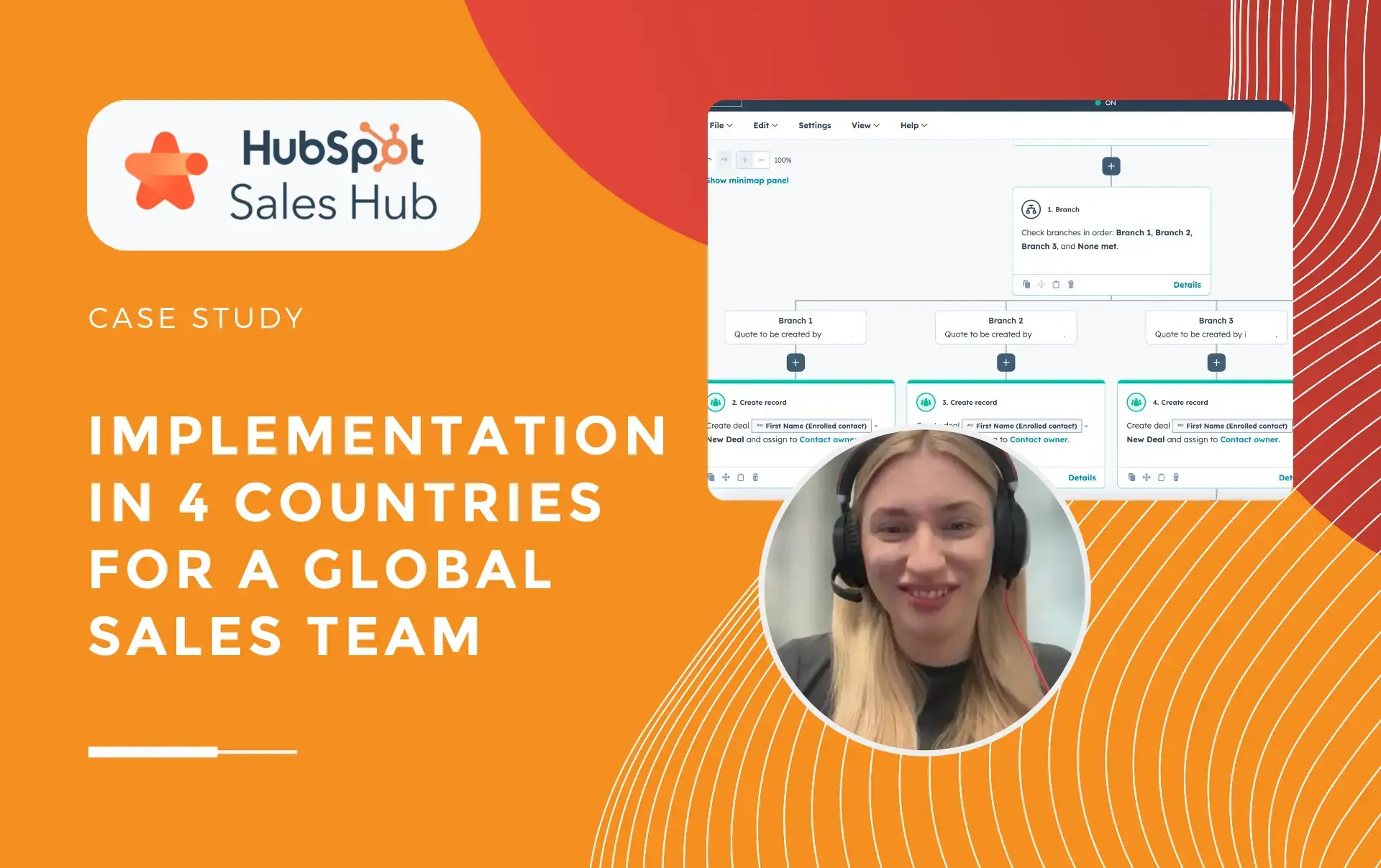
HubSpot Case Study: Sales Hub Implementation In 4 Countries For A Global Sales Team
With operations spanning the UK and US, Germany, France and Italy, this global provider of test, measurement and calibration solutions had a sales tea …
JDR Business Growth Webinar Replay: Increase Your Sales With HubSpot Sales Hub (Professional)
Replay: Maximise E-commerce Sales With HubSpot (HubSpot Masterclass)
Maximise E-commerce Sales With HubSpot If you sell products or services online, then this webinar is for you. Maximising sales as an E-commerce busine …